To ensure that steak knives and forks meet high standards of quality and safety, a thorough inspection process is required. Below are the key inspection elements including AQL sampling standards, defect classifications, inspection items, and judgment criteria.
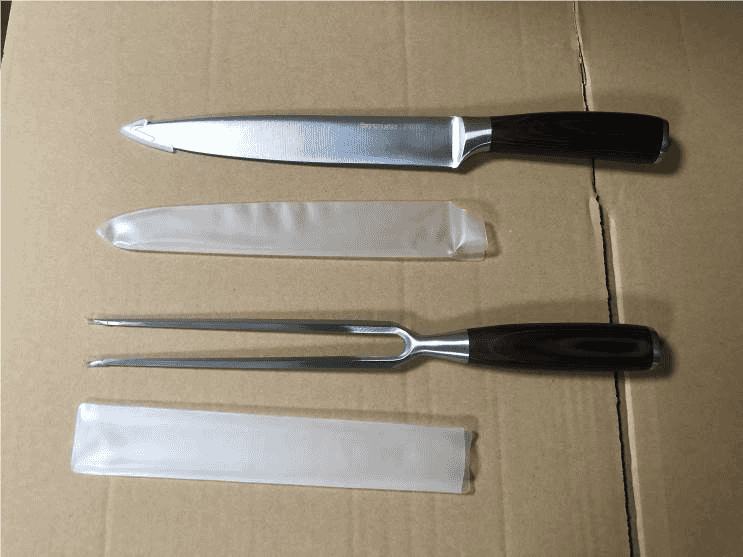
1. AQL Sampling Standards
Sampling Method: Random sampling ensures the product is representative of the entire batch. The sample size should depend on the batch quantity:
Small batches (under 100 units): 5-10 items.
Large batches (over 1000 units): 20-30 items.
Sampling Criteria: Select samples from different production stages to identify any potential issues.
2. Defect Classification
Critical Defects: Safety-related issues, such as sharp edges on the handle or broken prongs. These defects lead to rejection.
Major Defects: Issues that affect functionality or appearance, such as poor handle attachment or dull blades. These may require rework or corrective action.
Minor Defects: Cosmetic imperfections, such as small scratches, that don’t affect functionality. These may be acceptable depending on client tolerances.
3. Inspection Items
Visual Inspection: Check for any visible defects such as scratches, cracks, discoloration, or improper branding. Ensure proper packaging.
Functional Testing:
Sharpness: Test the sharpness of the knife blade by cutting through a piece of meat. The blade should easily cut through without excessive force.
Fork Strength: Test the fork prongs by applying pressure to ensure they are durable and won’t bend easily under normal use.
Dimensional Accuracy: Measure the blade, fork prongs, and handle length and thickness to ensure they meet specifications.
Hardness Test: Check the hardness of the steel used in the blade using a Rockwell hardness tester. The blade should be hard enough to maintain its sharp edge without being too brittle.
Handle Durability: Apply slight twisting or bending force to the handle to ensure it is securely attached and resistant to breaking.
Packaging: Ensure the knives and forks are securely packaged and that the labels and care instructions are included.
4. Judgment Criteria
AQL Standards: Follow the Acceptable Quality Level (AQL) guidelines to determine defect tolerance. For example:
Critical defects: Must be zero.
Major defects: Tolerated within a specified percentage (e.g., 2.5%).
Minor defects: Tolerated within a higher percentage (e.g., 5%).
Pass/Fail: Products are accepted or rejected based on the severity of the defects. Critical defects result in immediate rejection, while major defects may require corrective actions.
Conclusion
By adhering to these inspection requirements, steak knives and forks can meet safety, performance, and aesthetic standards, ensuring high-quality products for consumers. This process helps maintain consistency and reliability across production batches.