General Food Inspection Process and Requirements
Food safety and quality control are essential in global trade. Our inspection service ensures that semi-finished food products comply with safety regulations and customer specifications before shipment.
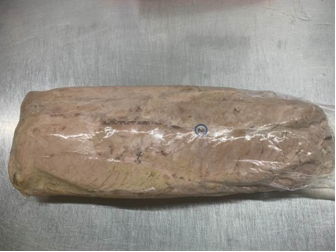
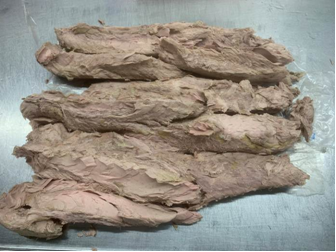
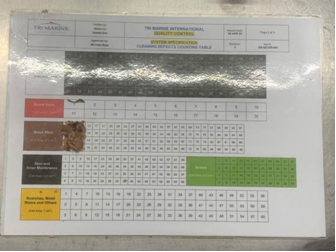
1. Product Scope
We inspect semi-finished food products including:
Fish paste / surimi
Dehydrated vegetables
Canned foods (meat, fish, fruits, vegetables)
Frozen or pre-processed ingredients
Inspection requirements may vary depending on the destination market (EU, USA, Australia, etc.).
2. AQL Sampling Standard
Inspection follows international AQL (Acceptable Quality Level) standards.
Sampling Method: Random sampling from different cartons and pallets
Inspection Level: General Level II (unless otherwise required)
AQL Standard:
Critical: 0
Major: 2.5
Minor: 4.0
Final acceptance is based on defect quantity within the approved sample size.
3. Inspection & Testing Items
A. Visual & Packaging Check
Packaging integrity (no leakage, swelling, rust, or damage)
Label compliance (ingredients, batch number, expiry date)
Net weight verification
Seal condition (especially for canned food)
B. Sensory Evaluation
Appearance and color consistency
Odor (no abnormal smell)
Texture and overall condition
C. Physical & Chemical Testing
Moisture content (for dehydrated vegetables)
pH value
Salt content
Drained weight (for canned products)
Solid content and net weight compliance
Testing methods follow applicable ISO or destination country standards.
D. Microbiological Testing
Key microbiological tests include:
Total Plate Count (TPC)
Coliform
E. coli
Salmonella
Staphylococcus aureus
Yeast & Mold
Testing is conducted by qualified third-party laboratories. Results must comply with destination market limits.
4. Defect Classification
Critical Defects
Microbiological contamination
Swollen/leaking cans
Foreign matter
Expired or misdeclared products
→ Shipment rejected.
Major Defects
Incorrect labeling
Weight shortage beyond tolerance
Damaged packaging
Minor Defects
Minor printing or cosmetic issues
5. Inspection Process
Document review (COA, production records)
Random sampling per AQL
On-site inspection and weight check
Laboratory testing
Final evaluation and report issuance
Conclusion
A structured inspection process, strict AQL sampling, and comprehensive laboratory testing ensure food safety and compliance. Our professional inspection service minimizes risks and protects your supply chain before shipment.